
Bridging the Gap: How Our Design Course Fulfills the Missing Link in Traditional Design Education

On this page
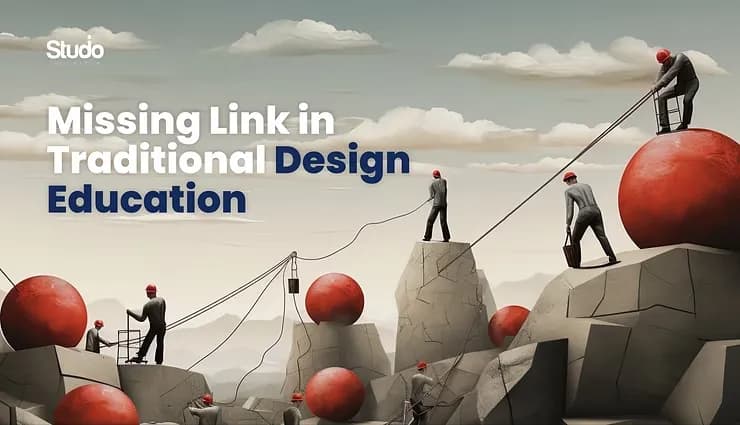
In the evolving fields of design, the chasm between traditional design education and the rapidly changing demands of the industry has become increasingly apparent. Traditional design courses, while foundational, often lag behind in equipping students with the practical skills and innovative thinking required to thrive in today’s digital-centric world. Recognizing this gap, our design course has been meticulously crafted to fulfill the missing link in design education, seamlessly blending timeless principles with cutting-edge practices.
Traditional vs. Modern Design Education: Identifying the Gap
Traditional design education has long been revered for its emphasis on fundamental principles and techniques. From color theory to typography, these foundational elements are indispensable. However, as the digital landscape evolves, the industry demands more than just a strong foundation. Modern design challenges require proficiency in the latest software, an understanding of user experience (UX) principles, and the ability to adapt to new technologies and methodologies.
Our Solution: A Holistic Approach to Design Education
Our design course stands at the intersection of tradition and innovation, offering a comprehensive curriculum that bridges the gap between historical design principles and the demands of the modern design landscape. Here’s how we’re redefining design education:
- Integration of Digital Skills: We emphasize digital fluency, integrating training in the latest design software and technologies to ensure our students are industry-ready.
- Focus on UX/UI Principles: Recognizing the shift towards digital platforms, our course places a strong emphasis on UX/UI design principles, preparing students to create intuitive and impactful digital experiences.
- Adaptability and Continuous Learning: Our curriculum encourages adaptability and a mindset of continuous learning, essential qualities for navigating the fast-paced evolution of the design industry.

Preparing Students for a Dynamic Career in Design
The ultimate goal of our design course is not just to educate but to empower our students to launch successful careers in design. By bridging the gap between traditional and modern design education, we equip our students with a versatile skill set that is highly valued in the industry. Our graduates emerge as well-rounded professionals, capable of tackling diverse design challenges and driving innovation.
Beyond the Classroom: Real-World Application
Understanding that real-world experience is invaluable, our course includes hands-on projects and collaborations with industry professionals. This experiential learning approach ensures that our students apply their knowledge in practical settings, gaining insights into the realities of a design career.
In the quest to bridge the gap between traditional and modern design education, our course stands as a beacon for aspiring designers. By melding foundational design principles with contemporary skills and technologies, we prepare our students for the complexities of the design industry, ensuring they are not just ready to enter the field but poised to redefine it. As the digital landscape continues to evolve, our commitment to providing a holistic, forward-thinking design education remains unwavering, lighting the path for the next generation of design innovators.
Jitendra Bhavsar (JB)
Co-faculty, AI build
JB leads technical delivery and AI automation at Qquench and teaches the build side of the programme.